When Do Wasps Under Porch Eaves Need Removal?
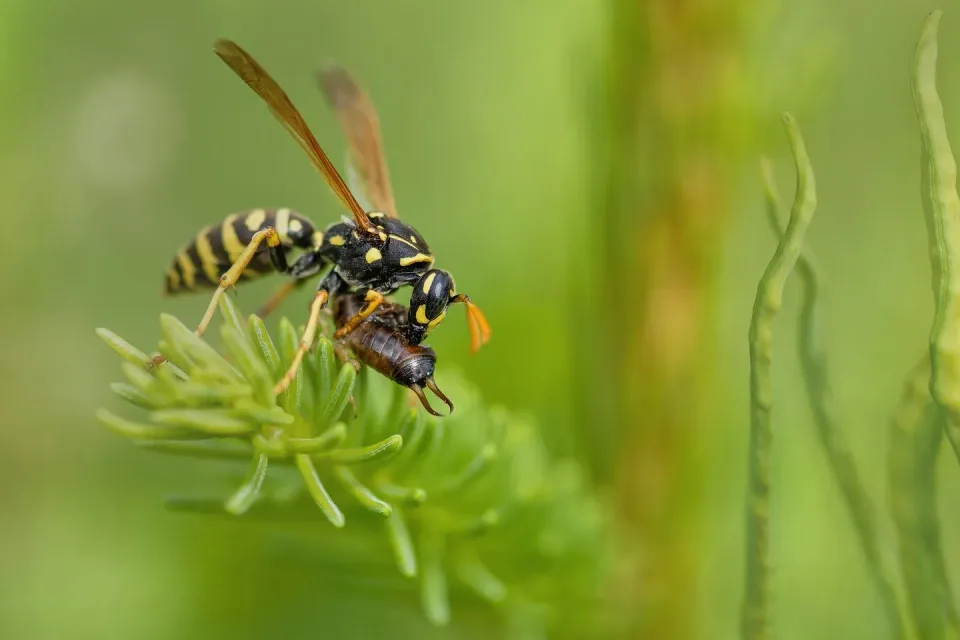
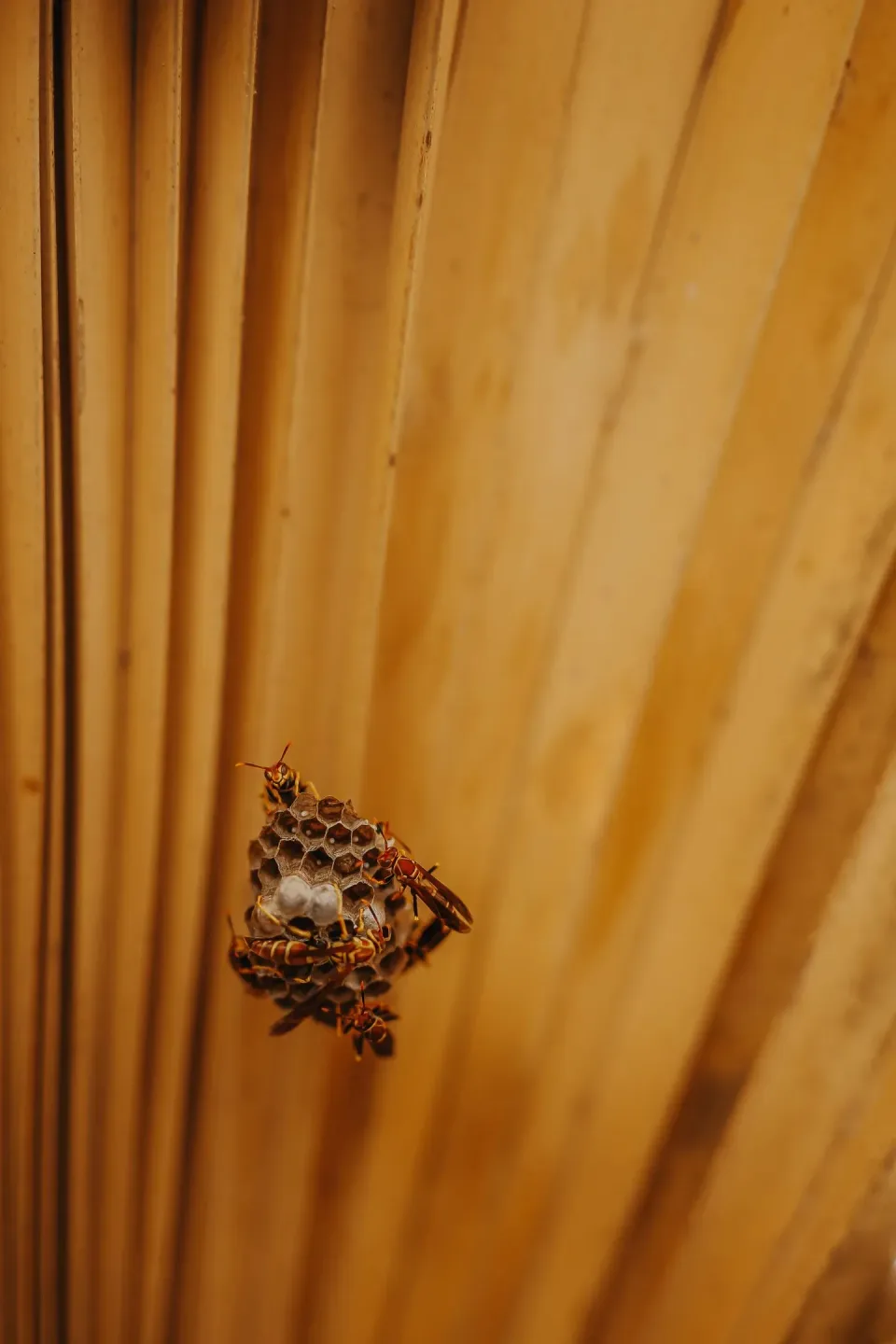
Wasps entering through porch eaves need prompt professional attention when the nest is near a doorway, gets repeated foot traffic, or someone nearby has a sting allergy. Keep people and pets away from the flight path instead of knocking down the nest. Don’t take chances.
A nest over a frequently used porch can make ordinary entry and exit stressful, and shaking the eaves may trigger defensive behavior before you know the nest’s size or species. RhodeIsland Pest Solutions checks the location and access before explaining a removal plan.
For homes near Route 1, note whether the nest is above a front entrance or a less-used section of eave; that changes how you should keep clear of it. Interstate 95 is a useful reference when arranging service across Rhode Island, but do not approach the nest to take measurements.
At the University of Rhode Island in Kingston, campus buildings and homes alike benefit from keeping people clear until the nest can be assessed.
When does an eave nest become a hazard?
Wasps repeatedly flying through one gap beneath the roof edge are a stronger warning than a single insect passing by. Watch from indoors or a safe distance: note the entry point, how many wasps are visible, and whether the flight path crosses a door, steps, or seating area. Do not block the opening; trapped wasps may find another route into the structure.
We have seen homeowners miss the key detail: a nest can sit out of sight behind fascia while wasps use a narrow opening. A porch used by children, older adults, or anyone with a known sting allergy calls for a more cautious decision.
The Rhode Island School of Design in Providence is a helpful local reference for the kind of close-set urban buildings where shared entrances and nearby foot traffic can make a nest’s position especially important. Keep the affected entrance closed if you can use another safe route.
Should you remove it yourself?
If the nest is active, high, hidden behind trim, or beside a frequently used entrance, leave removal to a trained professional. Do not spray into an eave gap or climb a ladder to reach it. Those shortcuts can expose you to stings, push wasps indoors, or leave the nest inaccessible for a proper check.
A small, clearly visible nest far from people may seem manageable, but size alone does not tell you the species or whether a cavity extends behind the visible paper. We inspect the approach and surrounding surfaces before choosing a method, then explain the plan and any applicable label directions. Rhode Island’s frequent freeze-thaw cycles can open gaps in exterior materials, so note loose trim or newly visible cracks without trying to seal an active nest entrance yourself.
How do coastal storms affect nest access?
A nest under a porch eave may be exposed to wind-driven rain and debris during a nor’easter. Avoid setting a ladder or standing beneath damaged trim after severe weather; wet surfaces and loose materials can make inspection unsafe. If flooding or storm damage changes access to the porch, tell the technician before the visit.
Hurricanes can leave coastal properties with flooding and debris, which may obscure an entry point or make exterior work impractical until conditions are safe. Near the Block Island Southeast Lighthouse, coastal exposure is a reminder that weather can affect an exterior inspection; it is not a reason to disturb the nest yourself.
Mohegan Bluffs on Block Island is another recognizable coastal landmark, where storm conditions may change access to nearby structures. We assess the actual property rather than assume the same treatment approach fits every eave.
What should you expect from a professional visit?
A useful inspection identifies the nest’s location, the wasp activity, and the safest access route. We also check whether the entry is beneath fascia, behind a porch light, or at a trim seam, because those details affect what can be treated and whether follow-up is sensible. In the Charlestown area, the Ninigret National Wildlife Refuge is a familiar local reference; nearby property owners should still base decisions on the nest’s location and activity at their own home.
Our process is straightforward: inspect, explain what we found, and discuss a treatment or removal plan suited to the site. RhodeIsland Pest Solutions serves Rhode Island with careful property protection and clear explanations. For related prevention advice, read our Rhode Island pest control blog, or see the Wasp Nest Removal service page.
Which Porch-Eave Wasp Nest Option Fits?
For wasps under an eave, the right choice depends on whether the nest is active, how close it is to people, and whether the exterior can be reached safely. A routine general pest plan is not a substitute for assessing an active nest.
| Option | Best for | Key detail |
|---|---|---|
| One-time pest treatment | An identified, active nest needing a focused visit | Single visit; access and nest position matter |
| Recurring general pest control | Ongoing monitoring of multiple pest concerns | Recurring visits; ask whether nest work is included |
| Exterior perimeter treatment | Targeted prevention around foundation and entry zones | Not a substitute for evaluating a nest in an eave |
| Preventive pest inspection | Checking suspected entry points before activity increases | Inspection identifies access and treatment needs |
At Blithewold Mansion, Gardens & Arboretum in Bristol, careful grounds upkeep is part of protecting visitors; at home, keep people away from the nest until its location is assessed. Coastal humidity can also worsen damp-basement conditions, so mention moisture concerns during an inspection rather than treating unrelated dampness as a wasp solution. Colt State Park in Bristol offers another local reminder that outdoor exposure changes by property and setting.
How Do You Prepare for Wasp Nest Removal?
Keep clear of the eave while you arrange an inspection. A few precise details help us assess the visit without asking you to approach an active nest.
-
Secure pets: Keep pets indoors or well away from the porch before the technician arrives.
-
Mark the location: From a safe place, note the eave, entry gap, and nearby door or seating area.
-
Report conditions: Tell us about storm damage, loose trim, or any known sensitivity to stings.
-
Clear safe access: Move porch furniture only if you can do so without passing near the nest; do not use a ladder.
-
Ask about weather: Coastal storms may delay exterior treatments, so check whether conditions affect the scheduled visit.
-
Follow instructions: Keep children and pets away during treatment and follow the product-label re-entry directions provided.
Beavertail State Park in Jamestown is a familiar coastal landmark, but at home, prioritize safe access over a quick look. The Blackstone River Bikeway offers a useful local reference for arranging a visit; share the property location and any access limits. If you are near Crescent Park Carousel in East Providence, tell us if the porch is exposed to weather or difficult to reach.
Should You Call for Help With Porch-Eave Wasps?
Wasps crossing a porch doorway or nesting above steps can turn a routine trip outside into a problem. Keep people away and arrange an inspection when the nest is active, hidden, or close to regular foot traffic.
Standing rainwater can create mosquito breeding habitat around a property, so clear containers and other water-holding items as part of general yard upkeep but that does not remove a wasp nest. Summer heat accelerates insect development, making it sensible to pay attention to new activity rather than wait for a nest to become harder to reach.
Warm, humid summers also support mosquito activity, a separate concern from wasps. For a careful assessment, contact RhodeIsland Pest Solutions about Wasp Nest Removal. Tell us where wasps enter and which porch areas people need to use.