Why Do Roaches Scatter When the Kitchen Light Turns On?
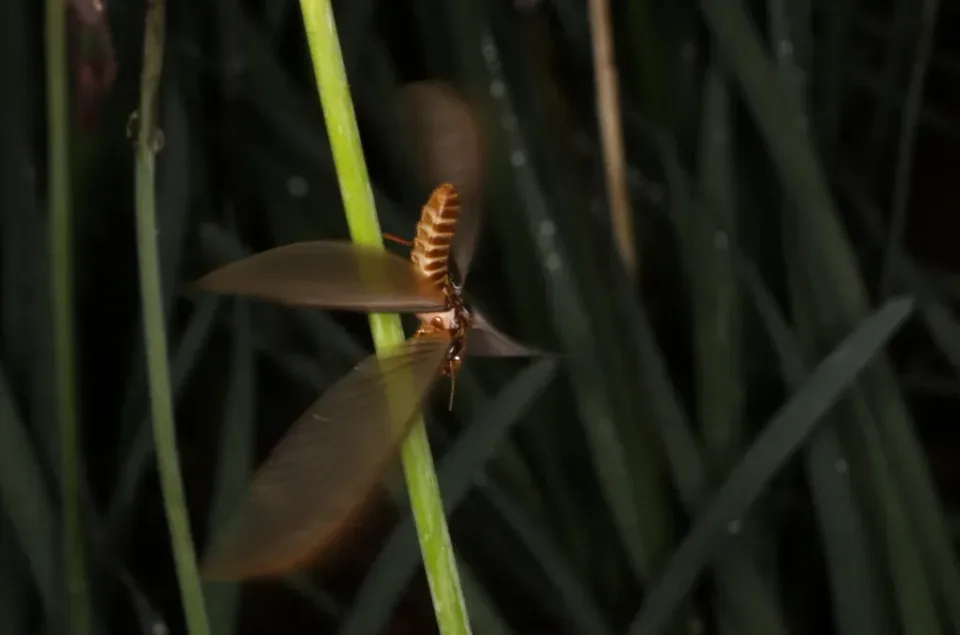
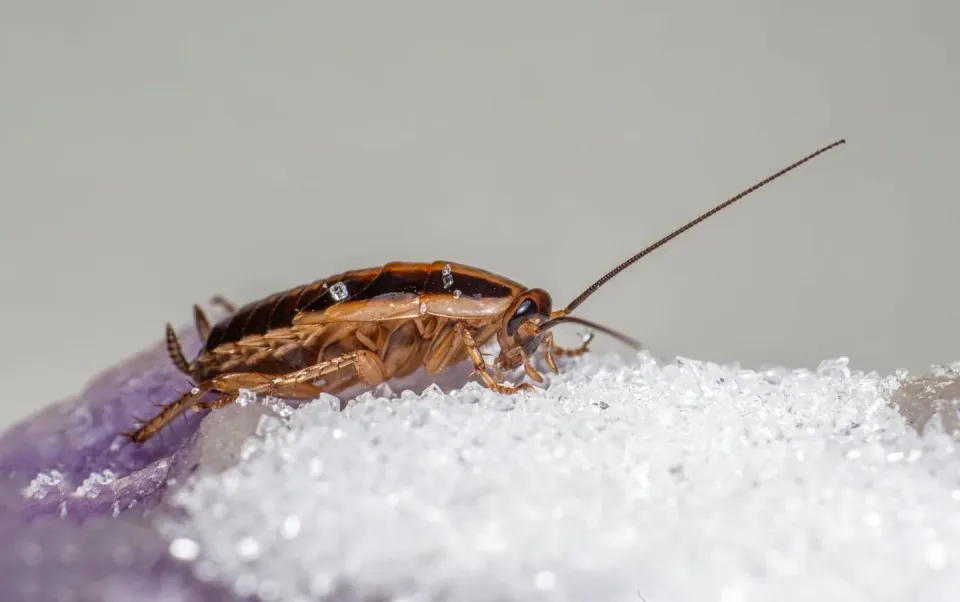
You flip on the kitchen light and see a roach dart behind the refrigerator. That sudden movement usually means the insect was already hiding nearby, not that the light brought it into the room.
Start by checking dark, warm spaces around the fridge motor, under the sink, and along cabinet edges for droppings, egg cases, or shed skins. Small clues matter.
In Rhode Island, a roach sighting in an older home deserves a close look at concealed gaps and damp areas rather than a quick spray at the insect you saw. A homeowner near Blithewold Mansion, Gardens & Arboretum in Bristol may have a very different building layout from a nearby apartment, so inspection should fit the property. RhodeIsland Pest Solutions checks the hiding places and explains what the evidence suggests.
What does a roach sighting after lights-on tell you?
Roaches hide during daylight and move through narrow, protected spaces to find food, water, and shelter. When a light exposes one, it may be retreating from a feeding route or a crack near an appliance; one sighting alone does not prove how large the population is.
Look for repeated activity, pepper-like droppings, shed skins, and dark marks around cabinet seams. Check beneath the sink, behind the refrigerator, and around the dishwasher kick plate.
Don’t pull out a heavy appliance if doing so risks damaging a water line. We start with pest identification and inspection rather than treating every kitchen as though it has the same hiding spots.
Which kitchen hiding spots should you inspect first?
Begin where heat, moisture, and crumbs collect: refrigerator compressors, stove sides, cabinet hinges, and plumbing penetrations. A forgotten spill under a toaster or a dripping sink can provide a steady food or water source, while a gap around a pipe gives insects a protected route.
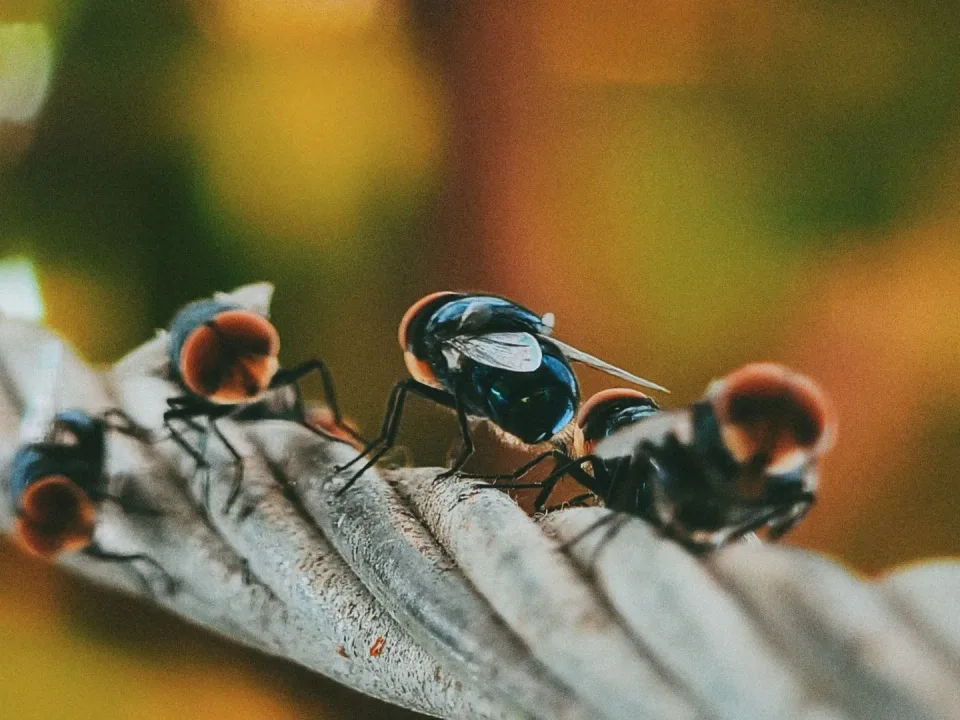
At the drain, check for grime and standing residue; heavy rainfall can overwhelm drains and attract flies, so report persistent drain activity rather than assuming every small insect is a roach. Keep food sealed and wipe grease from the range hood and backsplash.
Coastal storms may delay exterior treatments, so an indoor inspection can help identify immediate access points while outdoor work awaits suitable conditions.
Near Beavertail State Park in Jamestown, coastal flooding and debris after hurricanes can leave property owners with extra cleanup and damp areas to inspect. That does not establish a roach source by itself, but wet, cluttered spaces deserve attention. At Colt State Park in Bristol, residents can use the same practical check: look for moisture and food residue before deciding what to treat.
Can you handle the problem yourself, or should you call a pro?
For one occasional roach with no other signs, clean food residue, dry the sink, seal exposed food, and monitor the area. Avoid spraying a random product into cabinets or around food-contact surfaces; a poorly placed treatment may miss the hiding site and complicate later inspection.
If you see roaches repeatedly, find droppings or egg cases, or activity appears in multiple rooms, call a professional for a closer assessment. We examine likely harborages and explain the treatment choices before work begins.
The cockroach extermination service page explains how a focused inspection supports control. Simple rule: repeat sightings need a better diagnosis.
What can storms and building access change?
Exterior conditions can affect which inspection and treatment steps make sense that day. Coastal storms may delay exterior treatments, so the technician may focus first on indoor evidence, sanitation correction, and accessible entry points.
After hurricanes, inspect around utility penetrations and areas affected by debris or water intrusion, but do not disturb suspected harborages unnecessarily. At Lincoln Woods State Park, changing weather is familiar; around a home, the useful response is to note when and where activity appears, then share those details during inspection.
If the kitchen connects to a basement or utility space, mention it. RhodeIsland Pest Solutions uses those observations to shape a site-specific plan, not a blanket application.
Which Roach Treatment Option Fits Your Kitchen?
If roaches appear as soon as the kitchen light comes on, the right option depends on whether activity is isolated, recurring, or linked to a broader entry issue. A quick visit is not the same as ongoing monitoring.
| Option | Best for | Key detail |
|---|---|---|
| One-time pest treatment | A limited, confirmed indoor problem | One visit; scope depends on pest and access. |
| Recurring general pest control | Repeated sightings that need monitoring | Scheduled visits track activity over time. |
| Interior pest treatment | Roaches found around appliances or cabinets | Targets active indoor areas; follow product directions. |
| Exterior perimeter treatment | Reducing access around the building | Focuses on foundation and entry zones when conditions allow. |
Coastal humidity can worsen damp-basement conditions, so note any moisture below the kitchen before choosing an approach. Frequent freeze-thaw cycles open foundation gaps; check for new cracks rather than assuming the kitchen is the only route.
For properties near Interstate 95 or Route 1, Rhode Island, travel proximity does not determine treatment: the inspection findings do. Pawtucket City Hall is a useful local reference point, but building conditions not a landmark guide the plan.
How Do You Prepare for a Roach Inspection?
A useful inspection starts with clear access and a record of where roaches appear. Spring rains increase ant activity indoors, but a kitchen roach sighting still needs its own identification; note the insect rather than treating every crawling pest alike. Prepare the rooms you want checked.
-
Record sightings: Write down the time, room, and exact spot where you saw a roach, including whether it appeared after the kitchen light came on.
-
Clear sink access: Remove stored items beneath the sink so the technician can inspect plumbing penetrations and cabinet corners.
-
Protect food and dishes: Store food, dishes, and utensils before any kitchen treatment, and report pets, aquariums, or known sensitivities.
-
Secure pets and children: Keep them away during labeled application and follow the product’s re-entry directions afterward.
-
Share seasonal clues: Standing rainwater creates mosquito breeding habitat, so mention nearby water separately if it is part of your property concerns.
-
Ask about monitoring: Summer heat accelerates insect development; ask whether follow-up checks are recommended for the roach activity found.
Warm, humid summers support mosquito activity, a separate seasonal issue that can be noted when scheduling General Pest Control near the University of Rhode Island in Kingston. Keep children and pets clear of treated areas until the label allows re-entry.
Get a Clear Answer About Roaches in Your Kitchen
A roach that bolts when the light comes on is a clue to inspect, not a reason to spray blindly. Check appliance edges, plumbing gaps, and signs of repeated activity, then decide whether the evidence calls for professional help.
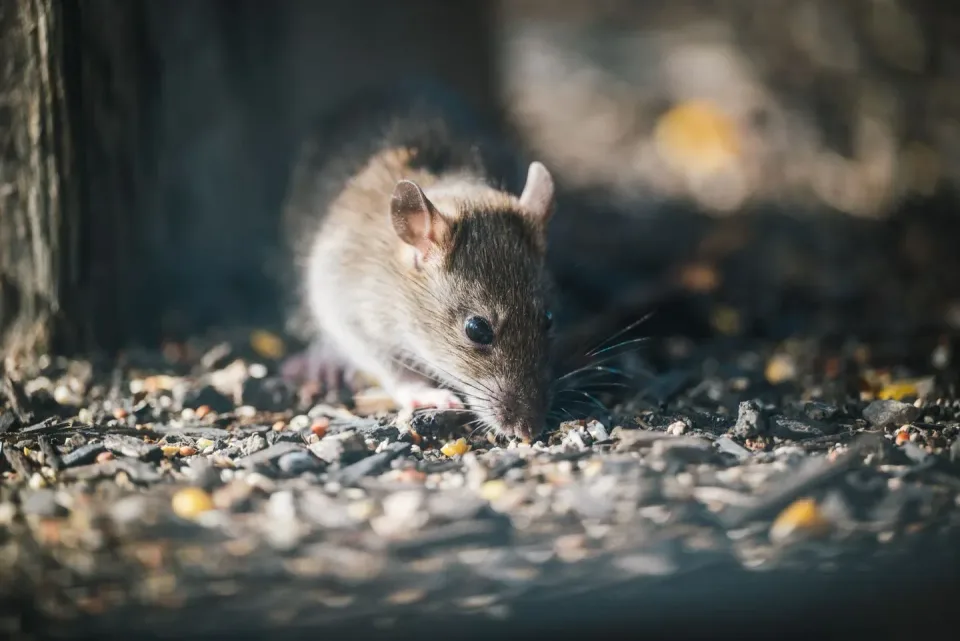
Cold winters bring indoor rodent pressure around Rhode Island homes, so a full inspection may also note other entry concerns without confusing them with the roach diagnosis. Near Providence Place, as elsewhere in the state, the property’s actual conditions should guide the next step.
For kitchens close to coastal areas, salt air accelerates corrosion of outdoor equipment, making routine checks of exterior fixtures sensible. If sightings continue, contact RhodeIsland Pest Solutions at (877) 729-2528 to discuss an inspection and cockroach extermination.